Institutional Profile

About BecA - ILRI Hub

The Biosciences eastern and central Africa "BecA" also known as the BecA-ILRI Hub is a pan-African shared agricultural research and biosciences hub hosted and managed by the International Livestock Research Institute (ILRI) in Nairobi, Kenya. The hub empowers African scientists, institutions, and innovators with world-class research infrastructure, translational science, and collaborative partnerships to solve Africa’s most pressing challenges.

The BecA-ILRI Hub was established as part of the African Union/ New Partnership for Africa’s Development (AU/NEPAD) African Biosciences Initiative (ABI). It was developed within the framework of NEPAD’s Centers of Excellence for Science and Technology and the Comprehensive African Agricultural Development Programme (CAADP), and in alignment with regional priorities set by Association for Strengthening Agricultural Research in Eastern and Central Africa (ASARECA).

All research projects implemented at the BecA-ILRI Hub are directed towards delivering products to help improve food and nutritional security in Africa.

The BecA Mission

The BecA-ILRI Hub’s mission is mobilizing bioscience for Africa’s development, by providing a centre for excellence in agricultural biosciences. This enables research, capacity building and product incubation, conducted by scientists in Africa and for Africa, and empowers African institutions to harness innovations for regional impacts in improved agricultural productivity, income, and food and nutritional security.

What we do

1

Research for a food secure Africa

Research Activity
BecA conducts research aimed at improving food, nutritional safety and security; income generation for small scale producers; climate change adaptation; environmental sustainability; and increased regional and international trade.

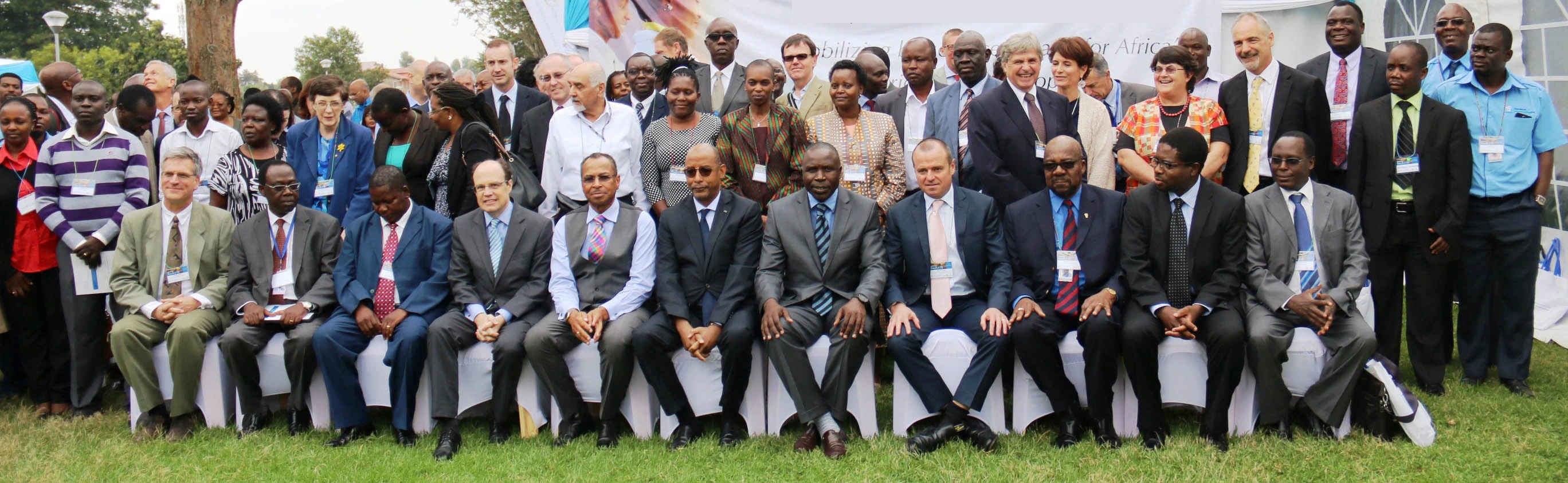
Research at the BecA-ILRI Hub brings together over 40 research institutions, universities, government ministries, regional agencies and non-governmental organizations across 16 countries in Africa, Australia, Europe and USA. The projects, which include national partner-led research projects, are demand driven, responding to the high priority themes identified through the new AU/NEPAD Science and Technology strategy and the CAADP agenda for increasing the productivity of the food and agricultural systems in Africa.
2

Capacity building to empower African scientists
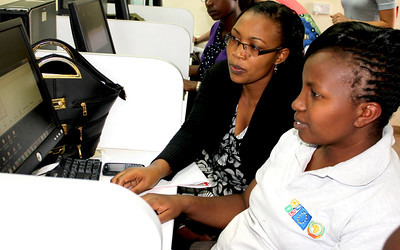
Capacity building
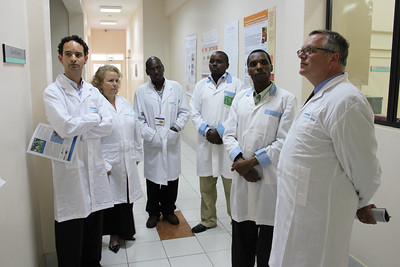
The main driver of the BecA–ILRI Hub is to support and mentor African scientists in the application of biosciences in food security and agricultural development to address priority constraints. This is implemented through mentoring and hosting of African scientists to enable them conduct their own research projects, making use of the research facilities and technology platforms. Research scientists from NARS have access to high-end research facilities, mentorship by the Hub’s faculty consisting of BecA Hub scientists, ILRI Biosciences scientists, scientists from other CGIAR centres, some of whom are hosted at the BecA-ILRI Hub (CIMMYT, IITA, CIP, IRRI, ICRISAT), and through scientists from collaborating advanced research institutions and universities in Europe, Australia and USA.

The BecA-ILRI Hub has strategic and diverse partnerships with renowned international research and capacity building institutes such as the John Innes Centre (UK), Queensland University of Technology (Australia), Cornell University (USA), the International Foundation for Science (IFS), African Women in Agricultural Research and Development (AWARD), African NARS, sub regional organizations, networks, and many others. Research scientists, trainers, mentors and other experts from the partner institutions, staff at BecA-ILRI Hub, ILRI Biosciences and other ILRI units, other CGIAR centres and programs, together form a solid extended BecA-ILRI Hub faculty that drives the ABCF Program.
3

Technologies and research related services
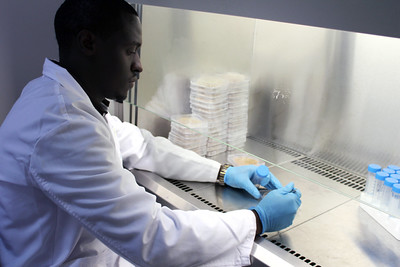
Technologies and research
The BecA-ILRI hub supports researchers and scientists from national, regional and international agricultural research institutions, universities and the private sector.

The hub provides the following Technology platforms;
  1. The Genomics platform
  2. The Bioinformatics platform
  3. Nutrition analysis and mycotoxin diagnostics Platform
  4. Molecular breeding platform
  5. Vaccine development Technologies
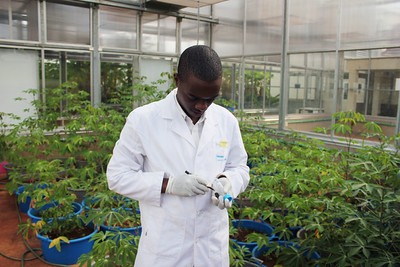
  6. 1400 meter square Plant growth facility
  7. The Central Core Unit
4

Product development for improved agriculture
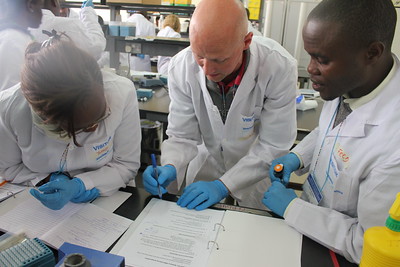
Product development
Strengthening existing partnerships with the private sector and other stakeholders for the development and delivery of products such as improved crop and animal disease diagnostics tools.

In order to increase the impact of bioscience on African communities, the BecA-ILRI Hub is building partnerships with development partners (including non-science partners) for translating research results into innovations of benefit to farmers and other private enterprises in Africa. The Hub also supports African scientists and their partners in designing their research in such a way as to respond to demand and optimize the chances of successful delivery.
5

Networks for increased impact

Networks for increased impact
Building strategic partnerships with national and international agricultural research institutions to develop pathways to impact for bioscience innovations.

With access to a wide range of international research institutions both within and outside the CGIAR centres, the BecA-ILRI Hub is strategically poised to build networks that will contribute to the increased impact of biosciences on agricultural research in Africa. Existing opportunities to increase co-operation and build synergies amongst the various biosciences networks operating in the sub-regions and the high end facilities which are available to serve all the biosciences networks and regional programs across Africa are being leveraged. Through the expanding network of visiting scientists, “communities of practice” around key food and nutritional security issues, are being formed with alumni who return to their home institutions and who continue to work with the Hub and with fellow alumni from different countries in joint research programs and in the delivery of innovations.
6

Centre for Tropical Livestock Genetics and Health node
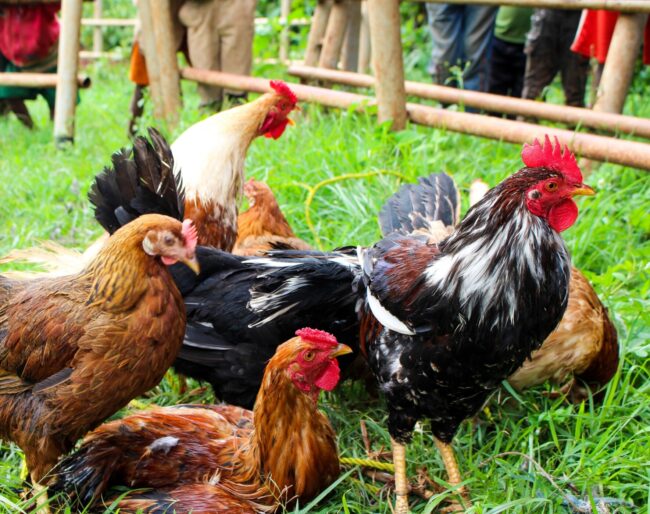
CTLGH-node
BecA-ILRI Hub is a node for the  Centre for Tropical Livestock Genetics and Health (CTLGH).   The CTGHL supports programs that improve livestock-based livelihoods in the tropics.

People in developing countries know that livestock are critical for sustainable development. The world’s cows, sheep, goats, pigs, poultry and other farm animals are the mainstay of livelihoods across the developing world. The energy and nutrient-dense milk, meat and eggs these animals produce provide people with basic livelihoods, incomes, food and nutrition.

Where we work

Beca Countries
Our footprints
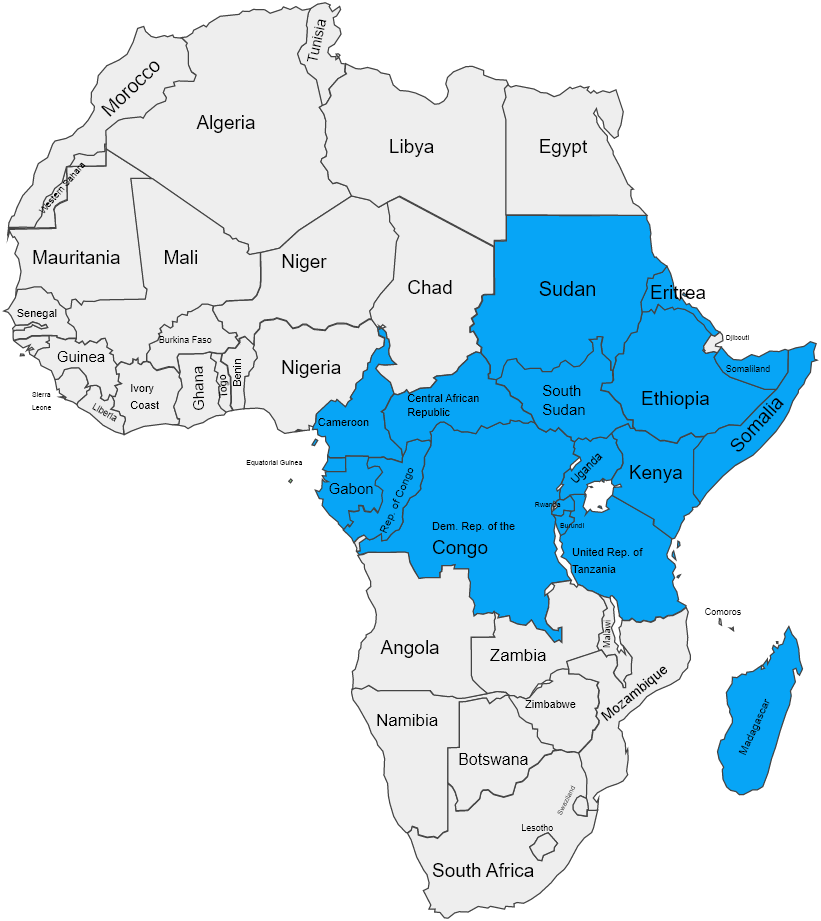
Our work footprints span several sub-sahara Africa countries including; Burundi, Cameroon, Central Africa Republic, Congo Brazzaville, Democratic Republic of Congo, Equatorial Guinea, Eritrea, Ethiopia, Gabon, Kenya, Madagascar, Rwanda, Sao Tome and Principe, Somalia, South Sudan, Sudan, Tanzania, Uganda.

BecA Regional Nodes
A number of regional institutes have offered their facilities for regional use. The Hub will continue to work with each node to build relevant resources and capacity for the implementation of research projects:

1. University of Buea, Cameroon
2. Ethiopian Institute of Agricultural Research
3. National Agricultural Research Organization, Uganda
4. Kigali Institute of Science and Technology, Rwanda
5. University of Nairobi
6. Jomo Kenyatta University of Agriculture and Technology