
Our Origins
A Shared Platform, Born of Necessity
In the early 2000s, African scientists faced a persistent challenge: the continent held immense agricultural potential, yet access to advanced bioscience facilities, technologies and scientific capacity remained limited.
The Biosciences eastern and central Africa (BecA) initiative emerged from a continental vision to change this. Beginning its journey in 2001, BecA developed within the African Union/New Partnership for Africa’s Development (AU/NEPAD) African Biosciences Initiative, with the International Livestock Research Institute (ILRI) providing a home for the shared regional Hub at its Nairobi campus.
Over the years, that vision has grown into a platform for African science—expanding access to advanced technologies, developing generations of researchers, enabling regional and international partnerships, and supporting research and innovation across agriculture, food and nutrition.
Today, the BecA-ILRI Hub is building on more than two decades of scientific capability, strengthening the journey from discovery and research to innovation, translation and practical impact. The milestones below trace that evolution—from an ambitious continental vision to an established platform advancing African-led science and solutions.
The story rolls on
From a bold vision to a platform for African science
The Journey Begins
BecA's story begins with the vision for a shared African biosciences platform, rooted in the early African Biosciences Initiative.
From Vision to Action
NEPAD, the AU and ILRI move from concept to concrete planning, laying the institutional groundwork for the Hub.
Investing in the Vision
Canada's investment turns the vision into physical reality, funding the infrastructure that will become the BecA-ILRI Hub.
The BecA-ILRI Hub Takes Shape
The Nairobi Hub begins to take physical shape as a shared research platform for the continent.
Moving into Implementation
Laboratory infrastructure and technology platforms come online as BecA moves from planning into full implementation.
A World-Class Hub Opens
President Mwai Kibaki officially opens the world-class BecA laboratories on 5 November 2010.
Expanding Scientific Access
Students and scientists from across Africa, including Maseno University, gain access to the Hub's facilities.
Completing the Implementation Phase
With construction complete, BecA laboratories become a fully operational platform for African researchers.
The Innovation Phase
Africa Biosciences Challenge Fund Fellows bring training and advanced science together inside BecA's labs.
Expanding Technology Platforms
New technology platforms expand what's possible in molecular genetics, deepening BecA's research capability.
Celebrating 15 Years
BecA marks 15 years, celebrating its founding partnership with AU-NEPAD and ILRI leadership.
Strengthening Scientific Partnerships
Collaboration with the John Innes Centre puts BecA's Golden Gate technology platform to work.
From Research to Application
Research begins moving toward real-world application, from climate-smart Brachiaria to molecular crop breeding.
A Platform for One Health
Diagnostic and genomic capabilities position BecA as a platform for One Health research.
Science Responds to a Global Crisis
BecA's scientific infrastructure stands ready as ILRI mobilises Nairobi's research community to respond to a global crisis.
Supporting National Testing
BecA's molecular laboratory capacity supports the wider push for national COVID-19 testing capability.
From Diagnostics to Genomic Surveillance
Genomics and bioinformatics expertise built over years of training extends BecA into genomic surveillance.
Building on Two Decades
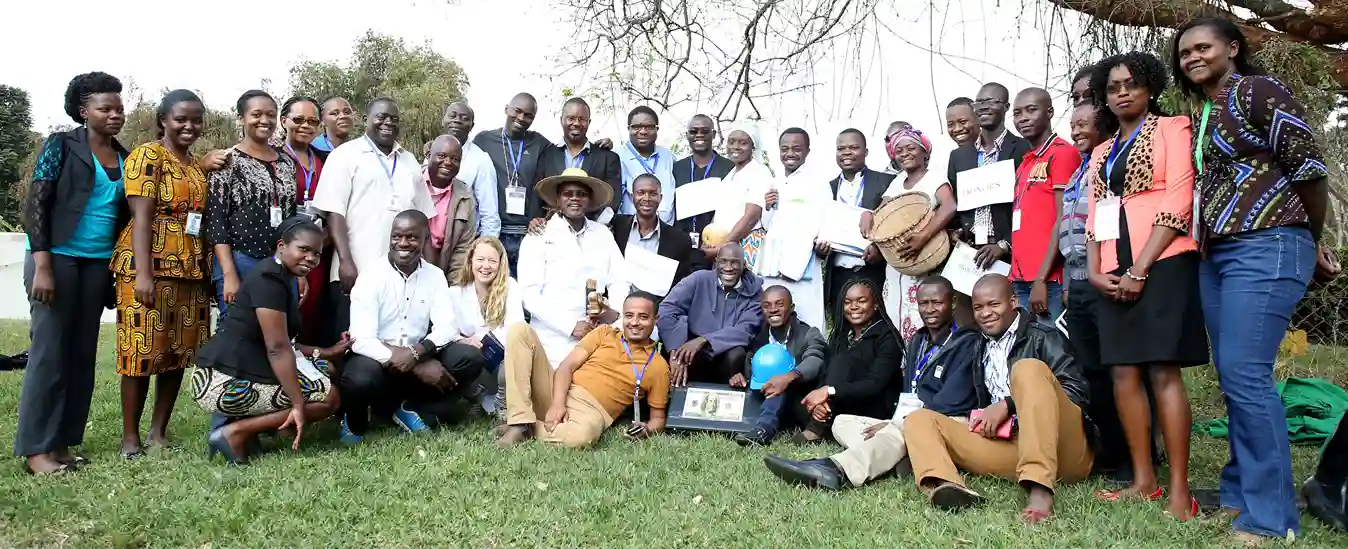
Two decades on, BecA reflects a growing community of researchers from across the African continent.
Reimagining the Hub
Scientists collaborate around shared equipment and results, reimagining what the Hub can become next.
A Renewed Vision
A renewed focus on technology innovation and translational research shapes BecA's next chapter.
Training the Next Generation
Hands-on training continues to equip a new generation of African researchers with advanced laboratory skills.
Advancing Translational Research
Laboratory discoveries move closer to practical application, from diagnostics to agricultural solutions.
The Next Chapter
Looking ahead, BecA's future rests on its scientists, its partnerships, and the solutions they build together.
Frequently Asked Questions
Questions we hear most often.
Everything you need to know about working with, visiting, or partnering with the BecA-ILRI Hub.
The Biosciences eastern and central Africa (BecA) Hub is a shared agricultural research platform located at the International Livestock Research Institute (ILRI) campus in Nairobi, Kenya. It offers world-class laboratory facilities and scientific expertise to researchers across eastern, central, and the broader African continent at affordable cost.
The Hub was established in 2001 through a partnership between the African Union Commission and ILRI, with initial seed funding from the Canadian International Development Agency (CIDA). It has since grown into one of Africa's most productive agricultural biosciences platforms.
The Hub is located on the ILRI campus in Nairobi, Kenya. Its central location in eastern Africa makes it accessible to researchers from across the continent, and it serves as a node connecting African science with global research networks.
The Hub provides a comprehensive suite of shared infrastructure including genomics and sequencing labs, proteomics and metabolomics platforms, molecular biology and cell culture facilities, bioinformatics computing resources, and biosafety level 2 containment laboratories. All facilities are available to approved researchers at significantly reduced costs compared to equivalent facilities elsewhere.
The Hub's research spans food and nutritional security, crop and livestock genomics, plant and animal disease diagnostics, reproductive technologies, and the development of agricultural biotechnologies. A key focus is on challenges that disproportionately affect smallholder farmers and rural communities across Africa.
Yes. While the Hub's primary mandate is to serve eastern and central Africa, its collaborative network extends to institutions in Europe, Australia, and the United States. International researchers can access Hub facilities through formal partnership agreements and collaborative research projects.
The ABCF is a competitive grants program administered by the Hub. It provides African scientists and postgraduate students from national research institutes and universities with financial support to conduct research using Hub facilities. The fund covers bench fees, consumables, and in some cases travel and accommodation costs during research visits.
Fellowship and attachment opportunities are announced through the Hub's website and partner networks. Applicants typically submit a research proposal, a CV, and letters of support from their home institution. Eligibility requirements and application windows vary by program — visit hub.africabiosciences.org for current calls.
The Hub runs a range of short courses and workshops covering topics such as genomic data analysis, laboratory biosafety, molecular diagnostics, bioinformatics, and scientific writing. Postgraduate students can also undertake research attachments of several months' duration. Since 2003, the Hub has trained over 700 African scientists.
The Hub operates as a shared-platform model, meaning partner institutions — universities, national research institutes, NGOs, and private sector organisations — can access facilities and expertise through memoranda of understanding. The Hub also hosts visiting scientists and co-develops research projects with global partners including CGIAR centres, European research councils, and bilateral donors.
The Centre for Tropical Livestock Genetics and Health (CTLGH) Node at BecA anchors five joint research programs: dairy cattle genomics, poultry genetics, disease health genetics, reproductive technologies, and bioinformatics. It represents a formal partnership between BecA-ILRI, the Roslin Institute (University of Edinburgh), and SRUC, supported by the Bill & Melinda Gates Foundation and UK Aid.
Organisations interested in partnership should contact the Hub's administration team through the official website. Partnerships can take many forms — co-funding research projects, hosting visiting scientists, providing specialised expertise, or contributing to the Hub's capacity building programs. All formal partnerships are governed by a memorandum of understanding.
Still have questions?
Our team is happy to help with specific enquiries about research access, partnerships, and funding.